
Do Retaining Walls Need Drainage?
Retaining walls need drainage to manage water buildup and reduce hydrostatic pressure, which is crucial to prevent structural failure. Essential drainage components include gravel backfill for water movement, a French drain to redirect water, weep holes for pressure relief, and filter fabric to prevent clogs. These elements maintain the wall's integrity and prevent erosion. When adding a retaining wall to your property in Illinois, make sure you hire professionals. They will ensure proper construction and drainage that is tailored to your landscape. Experts will also avoid common pitfalls, ensuring durability and reducing maintenance needs. Properly built retaining walls enhance property value and provide long-term stability, making professional installation a worthwhile investment.
Why do retaining walls need drainage?
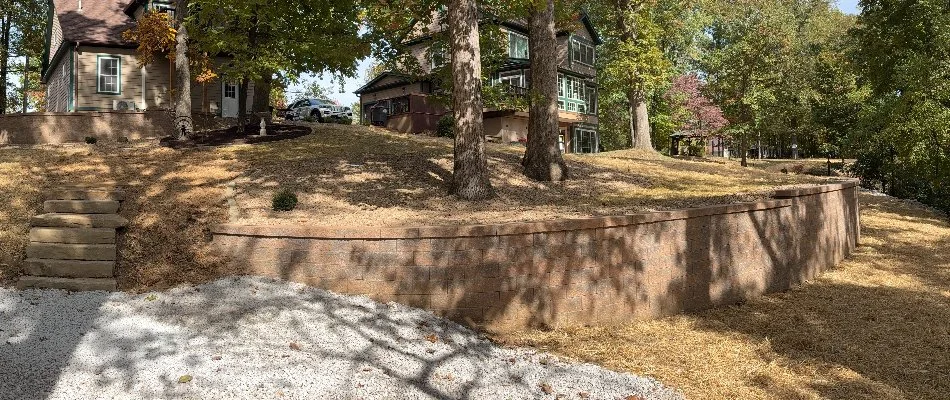
Retaining walls are designed to hold back soil and prevent erosion, but they also need to be able to handle excess water. They need drainage to manage water buildup behind the structure. When water accumulates, it increases the pressure on the wall, known as hydrostatic pressure. This pressure can lead to wall failure, causing it to lean, crack, or even collapse. Proper drainage alleviates this pressure by allowing water to escape, maintaining the wall's integrity. Additionally, effective drainage prevents soil erosion and waterlogging, which can weaken the wall's foundation. By incorporating drainage solutions, you protect your investment and ensure the longevity of your retaining wall.
What are the essential drainage components for retaining walls?
To effectively manage water and ensure the stability of your retaining wall, several key components should be included in the design:
- Gravel Backfill: This involves placing a layer of gravel directly behind the wall. The gravel acts as a permeable barrier that facilitates water movement, allowing it to drain away from the soil and reducing hydrostatic pressure. Its porous nature ensures that water flows through it easily, preventing water from accumulating and exerting pressure on the wall.
- Drain Pipe (French Drain): This pipe collects excess water and redirects it away from the wall, significantly reducing pressure and preventing water buildup. The French drain is typically surrounded by gravel to enhance its effectiveness and is sloped to ensure efficient water flow away from the structure.
- Weep Holes: These are small openings strategically placed at the bottom of the wall. Weep holes allow trapped water to escape, relieving pressure and maintaining the wall's stability. Proper spacing and placement of weep holes are important to ensure they function effectively.
- Filter Fabric: This is a crucial component placed between the soil and gravel backfill. The filter fabric acts as a barrier, preventing soil particles from clogging the drainage system while allowing water to pass through freely. It helps maintain the functionality of the drainage components and extends the lifespan of the wall by ensuring that water can flow unimpeded.
Hire pros to ensure your retaining wall is built correctly and has proper drainage.
Building a retaining wall with proper drainage requires expertise and precision. Hiring professionals ensures that your wall is constructed correctly and includes all necessary drainage components. Experienced contractors can assess your specific site conditions, recommend the best materials, and implement effective drainage solutions tailored to your landscape. They have the knowledge to avoid common pitfalls, such as inadequate drainage or improper installation, which can lead to wall failure.
By entrusting your retaining wall project to professionals, you not only ensure its structural integrity but also save time and money in the long run. Properly built retaining walls with adequate drainage are durable and require less maintenance, providing peace of mind and enhancing the value of your property.
Give us a call today to schedule our retaining wall installation service.
If you're looking to add a retaining wall to your property, we're the team to turn to. At Creekside Landscapes, we can build a beautiful and durable retaining wall on your property that will have proper drainage to ensure it stays in great condition for years to come. Our team uses highly durable materials like segmented wall blocks, Roman stones, and ledge rocks. We offer our retaining wall installation service to residential and commercial properties, as well as HOAs, in and around Edwardsville, Glen Carbon, and Bethalto, IL. Give us a call at (618) 374-0010 to schedule this service today!

Comments (0)
Thanks for your comment!
Thanks for your feedback! Your comments have been successfully submitted! Please note, all comments require admin approval prior to display.
Error submitting comment!
There is a problem with your comment, please see below and try again.