
Does Standing Water Harm Your Lawn?
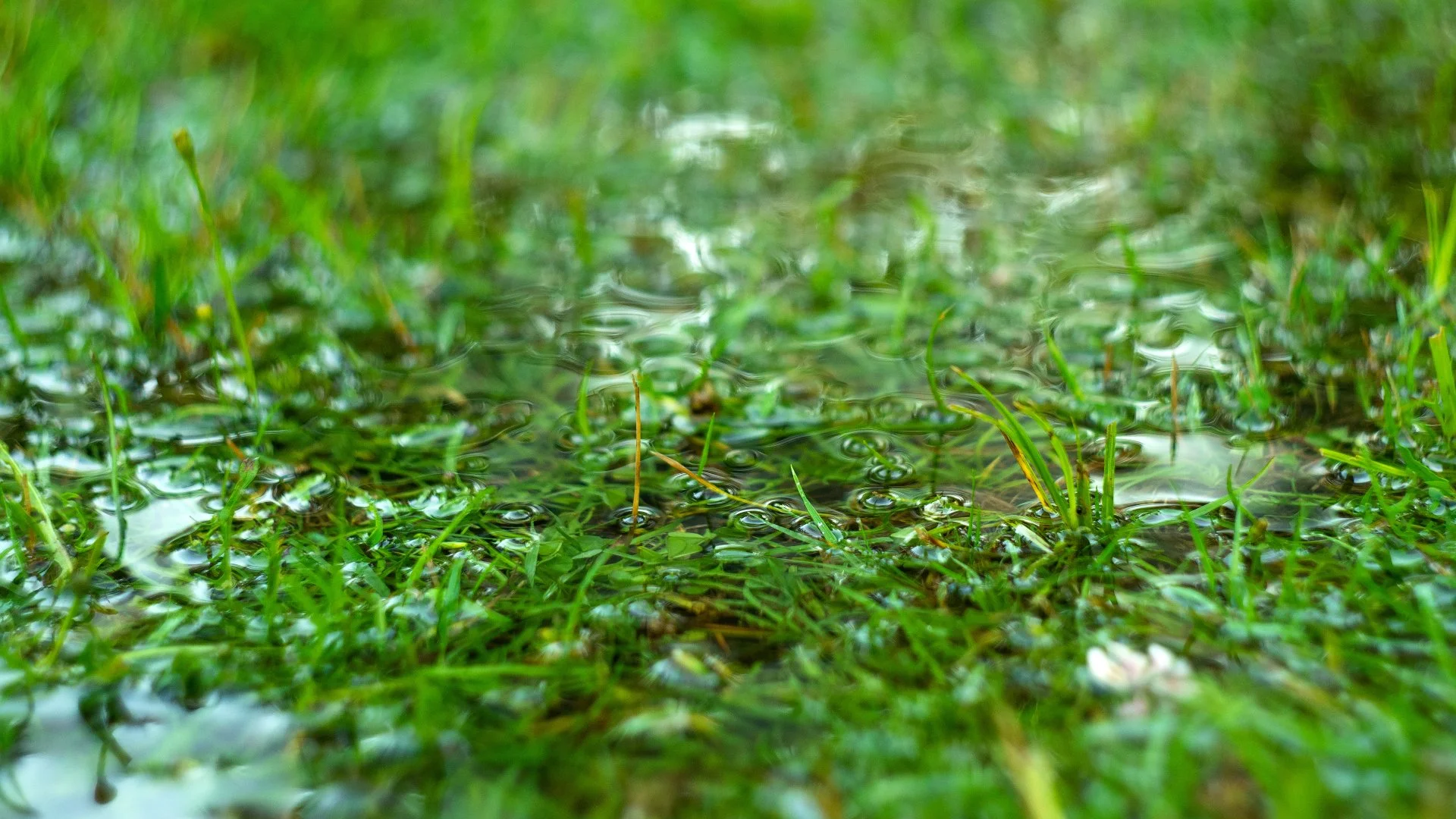
Standing water can be a serious problem for lawns, as it can lead to a number of issues that can harm the health and appearance of your grass. It can harm lawns by suffocating the roots, promoting disease, and washing away nutrients. Pooling water on your lawn can be caused by different issues, including compacted soil, improper grading, and inadequate drainage systems. Solutions like aeration, adjusting yard grading, and installing drainage systems can effectively manage excess water. Addressing these issues helps maintain a healthy, vibrant lawn in Illinois.
How does standing water harm your lawn?
When water accumulates on your lawn, it saturates the soil, which can suffocate the root system. The roots need oxygen to thrive, and saturated soil reduces the availability of this essential element. Without enough oxygen, the roots begin to rot, leading to weakened grass that turns yellow and eventually brown. Over time, the grass becomes thinner and less robust, losing its lush appearance.
Standing water also makes your lawn more susceptible to diseases. The excess moisture creates an ideal environment for fungi and other pathogens to thrive, leading to lawn diseases that can further damage your grass. Additionally, standing water can wash away vital nutrients and topsoil, resulting in bare patches and uneven growth. This nutrient loss can hinder the grass's ability to recover, leaving you with a patchy and unhealthy lawn.
What causes standing water?
Several factors can contribute to standing water on your lawn. One common cause is compacted soil, which occurs when the soil particles are pressed tightly together, reducing its ability to absorb water. Compacted soil prevents proper drainage, causing water to pool on the surface. This compaction can occur from regular foot traffic, heavy machinery, or even natural settling over time.
Improper grading or low spots in the yard can also lead to standing water issues. If your lawn isn't graded correctly, water will naturally gravitate towards the lowest areas, creating persistent puddles. This improper slope can be due to poor initial landscaping or changes in the landscape over time. Additionally, blocked or missing drainage systems, such as gutters, French drains, or downspouts, can exacerbate the problem. When these systems are not functioning properly, they fail to redirect excess water away from your lawn, leaving it to accumulate and cause potential damage.
How to Address Standing Water on Your Lawn
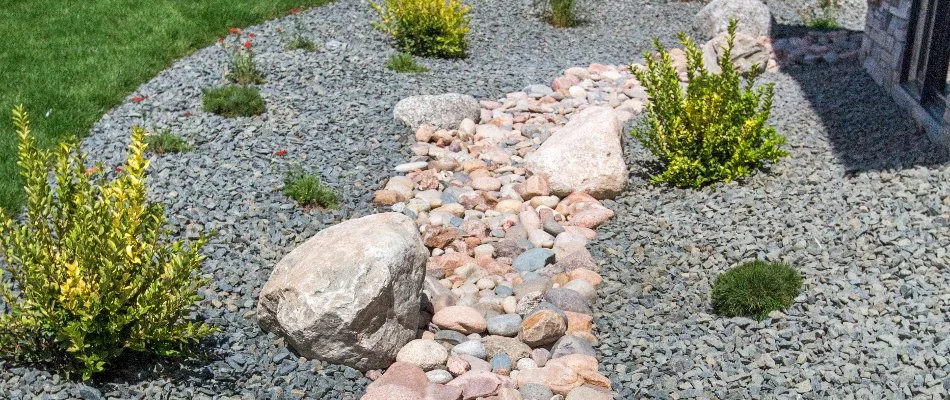
To tackle standing water on your lawn, start with aeration. Aeration involves perforating the soil with small holes to allow air, water, and nutrients to penetrate the roots. This process alleviates soil compaction, improving drainage and promoting healthier grass growth.
Fixing your yard's grading is another effective solution. By reshaping the landscape to ensure a gentle slope, you can direct water away from problematic areas. This may involve adding soil to low spots or recontouring the land to facilitate better water flow. Installing a drainage system can also help manage standing water. Options like French drains or dry creek beds can effectively redirect excess water away from your yard. These systems work by channeling water to areas where it can be absorbed or safely drained, preventing it from pooling on your grass.
Call us today to sign up for our drainage and grading service!
Standing water can be a serious problem for lawns, as it can lead to a number of issues that can harm the health and appearance of your grass. If you are dealing with standing water on your lawn, our drainage and grading service can help address the issue. We can install different kinds of drainage solutions depending on your lawn's needs, like French drains, dry creek beds, and swales. Our team can also grade your yard to ensure water flows away properly. We offer this service to homes and businesses, as well as HOAs, in Edwardsville, Glen Carbon, Bethalto, IL, and neighboring areas. Call us at (618) 374-0010 to sign up!

Comments (0)
Thanks for your comment!
Thanks for your feedback! Your comments have been successfully submitted! Please note, all comments require admin approval prior to display.
Error submitting comment!
There is a problem with your comment, please see below and try again.