
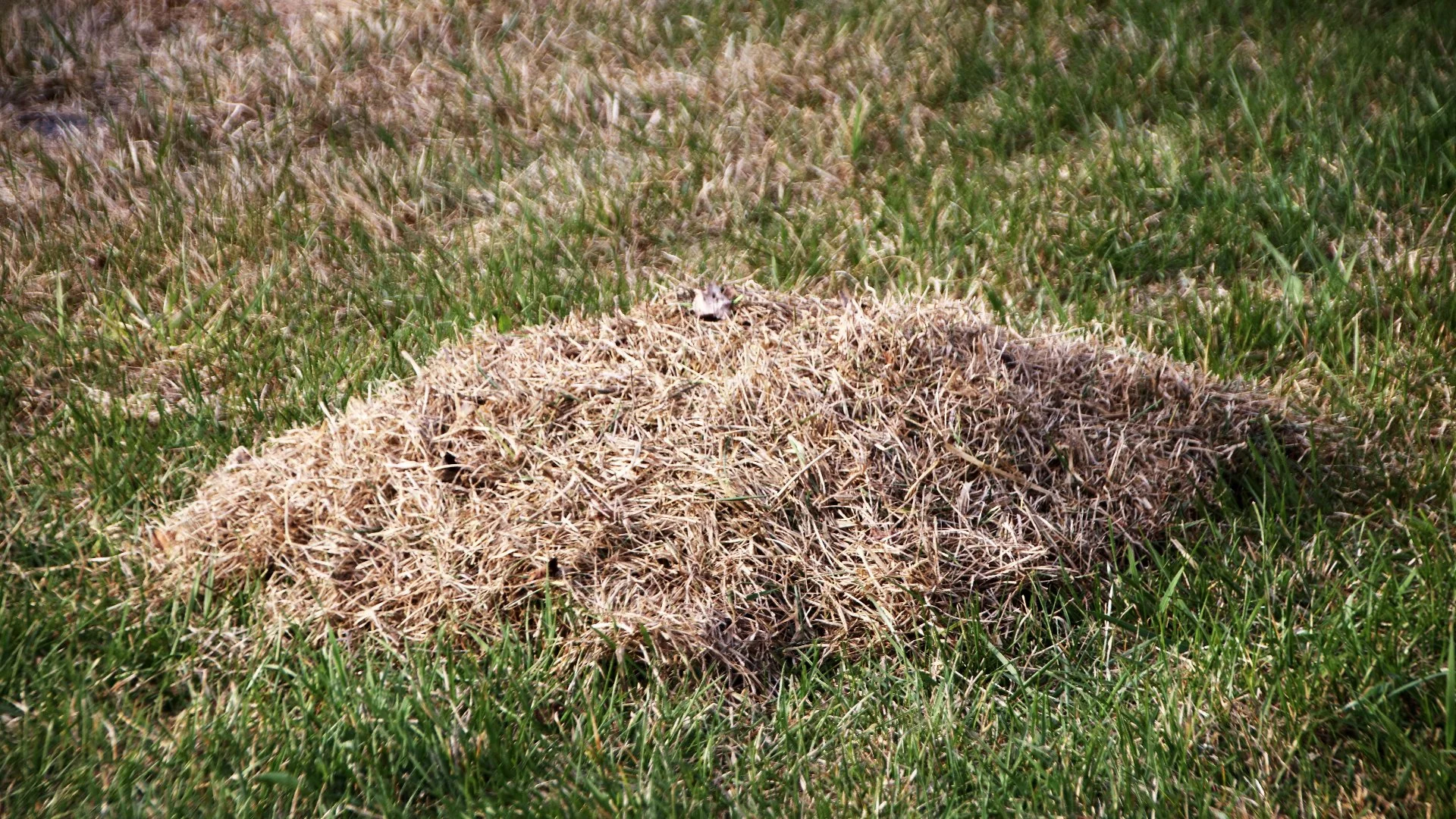
How Excessive Thatch Can Affect Your Lawn's Health
Thatch is a layer of dead and living organic matter that accumulates between the soil surface and the grass. It is beneficial for lawns when kept under half an inch, as it helps retain moisture and regulate soil temperature. However, excessive thatch restricts essential nutrients and moisture. It can also cause roots to grow within the thatch, exposing them to environmental stressors, and create mowing challenges. Regular aeration is the ideal solution for managing thatch and maintaining a healthy lawn in Illinois.
Thatch Isn't Inherently Bad for Your Lawn
A thin layer of thatch, under half an inch, is actually beneficial for your lawn. It acts as a natural mulch, helping to retain moisture, regulate soil temperature, and protect the grass roots from extreme weather conditions. This layer can also provide a cushion that reduces soil compaction from foot traffic and lawn equipment.
However, when thatch accumulates beyond this beneficial level, it can become problematic. A thick thatch layer, over half an inch, can create a barrier that prevents water, nutrients, and air from reaching the soil and roots. This can lead to a host of issues that negatively impact your lawn's health and appearance.
How does thick thatch affect your lawn's health?
Excessive thatch can significantly impact your lawn's health by creating barriers that hinder essential nutrients and moisture from reaching the roots. This can lead to weakened grass and increased vulnerability to environmental stressors. Here are some specific ways thick thatch affects your lawn:
- Nutrient & Moisture Restriction: A thick thatch layer acts as a barrier, preventing essential water, nutrients, and air from reaching the soil and the roots. This restriction can lead to nutrient deficiencies and dehydration, causing the grass to weaken and struggle to grow.
- Increased Pest & Disease Risk: The dense, moist environment within a thick thatch layer is ideal for pests and diseases to thrive. Insects and pathogens can multiply rapidly, leading to infestations and infections that further damage your lawn.
- Root Vulnerability: When the roots grow within the thatch layer instead of the soil, they become more exposed to environmental stressors. This makes them more susceptible to drought, heat, and other adverse conditions, reducing their resilience.
- Mowing Challenges: The spongy surface created by thick thatch can make mowing difficult, often resulting in scalping. Scalping occurs when the mower cuts too low, damaging the grass blades and contributing to an uneven lawn appearance.
Aerate your lawn to keep thatch under control.
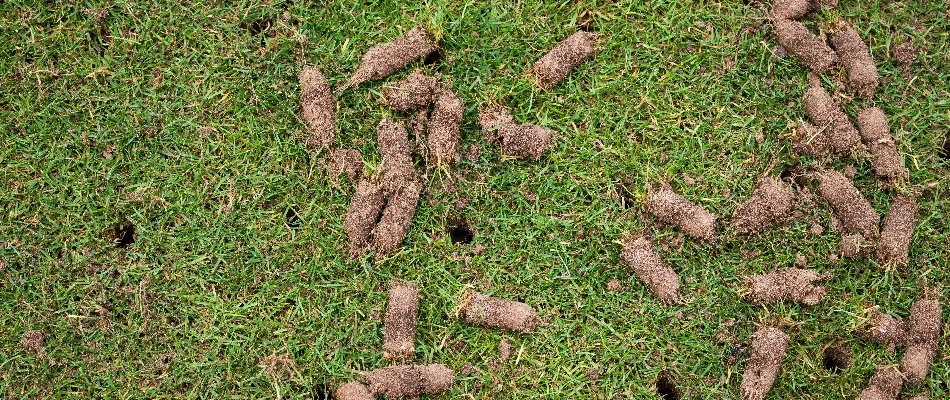
To maintain a healthy lawn, it's essential to keep thatch under control. One effective way to manage thatch is through regular aeration. Aeration involves perforating the soil with small holes to allow air, water, and nutrients to penetrate the ground and reach the root zone. This process helps break down thatch naturally and promotes healthy root growth.
Annual aeration can prevent excessive thatch buildup and improve the overall health of your lawn. It also alleviates soil compaction, enhancing drainage and reducing the risk of standing water. By incorporating aeration into your lawn care routine, you can maintain a balanced thatch layer that supports a lush and resilient lawn.
Give us a call today to sign up for our aeration service!
Thatch is not inherently bad for your lawn, but an excessive layer can start to cause problems. To help you manage thatch on your turf, take advantage of our aeration service here at Creekside Landscapes. This service involves using an aerator machine to mechanically remove plugs of soil from your lawn, creating holes that help to alleviate compacted soil and improve the root system's access to much-needed nutrients and resources. We offer this service in the spring and fall seasons, and we recommend scheduling it once every year to keep the soil healthy and manage thatch buildup. Our team proudly serves homeowners and business owners, as well as HOAs, in Edwardsville, Glen Carbon, Bethalto, IL, and throughout the surrounding areas. Call us at (618) 374-0010 to sign up!

Comments (0)
Thanks for your comment!
Thanks for your feedback! Your comments have been successfully submitted! Please note, all comments require admin approval prior to display.
Error submitting comment!
There is a problem with your comment, please see below and try again.