
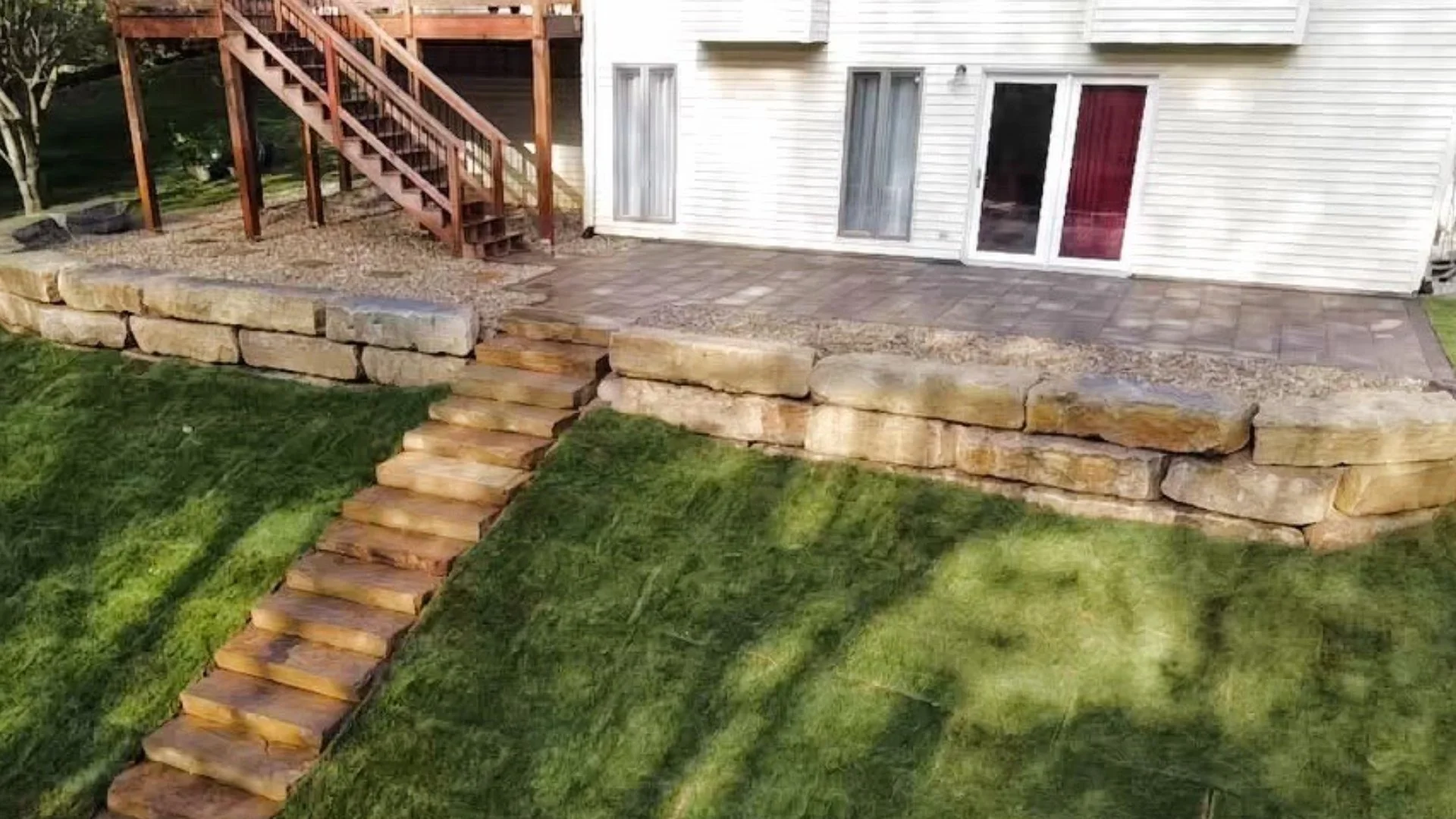
Is There a Difference Between a Seating Wall & a Retaining Wall?
Retaining walls are essential for stabilizing slopes, preventing soil erosion, and managing water runoff, creating level and usable spaces. Constructed from materials like blocks and stones, they require careful design and engineering to ensure structural integrity. In contrast, seating walls focus on comfort and aesthetics, providing permanent seating solutions in outdoor spaces. These low walls enhance outdoor living spaces without holding back soil. Choosing between them depends on the needs of your property in Illinois: retaining walls are suitable for erosion control and creating structure, while seating walls are ideal for enhancing relaxation and social interaction. Both can add visual appeal and functionality to your landscape.
What are retaining walls for?
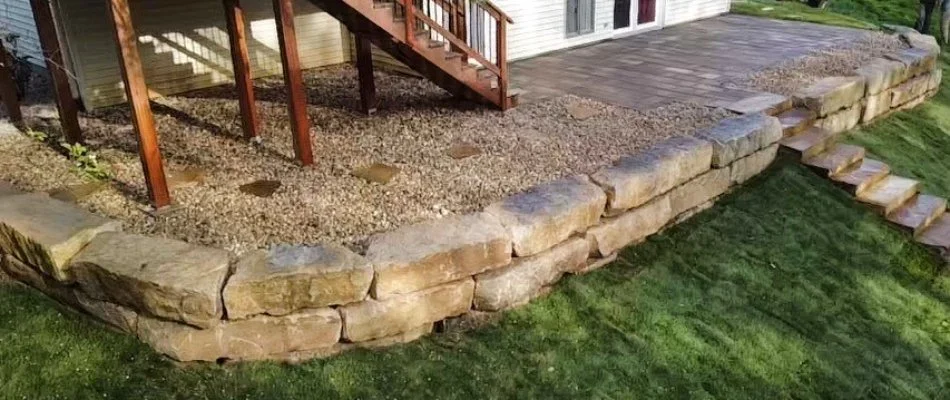
Retaining walls are primarily functional structures designed to hold back soil and create level areas on a sloped landscape. They are essential in preventing soil erosion and managing water runoff, particularly on properties with uneven terrain. Retaining walls enable you to create usable space where there was none before, allowing for the development of landscape beds, patios, and other landscape features.
These walls are typically built from materials like blocks and stones, and are engineered to withstand lateral pressure from the soil they support. The design and construction of retaining walls require careful planning to ensure durability and effectiveness. Engineers and landscapers often consider factors such as drainage, wall height, and load-bearing capabilities during the planning process. By incorporating a retaining wall, you can enhance both the functionality and aesthetics of your outdoor area, creating defined spaces that harmonize with the natural landscape.
What are seating walls for?
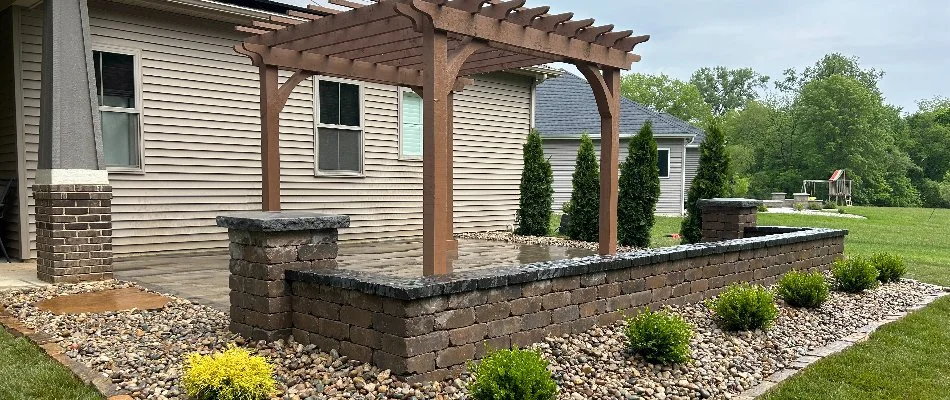
Seating walls are primarily designed with comfort and aesthetics in mind. These low walls provide permanent seating solutions in outdoor spaces like gardens, patios, or around fire pits. Unlike retaining walls, seating walls are not built to hold back soil but to offer a practical and visually appealing seating option that integrates seamlessly into the landscape.
Like retaining walls, seating walls can be constructed from similar materials, like blocks and stones. They can also be customized with decorative elements to enhance comfort and style. They serve as both a functional feature and a design element, helping to define spaces within your outdoor area while offering an inviting place for relaxation and social interaction. The versatility of seating walls allows them to complement various architectural styles and landscape designs, adding a cohesive and elegant touch to your property.
Which is right for your property, a retaining wall or a seating wall?
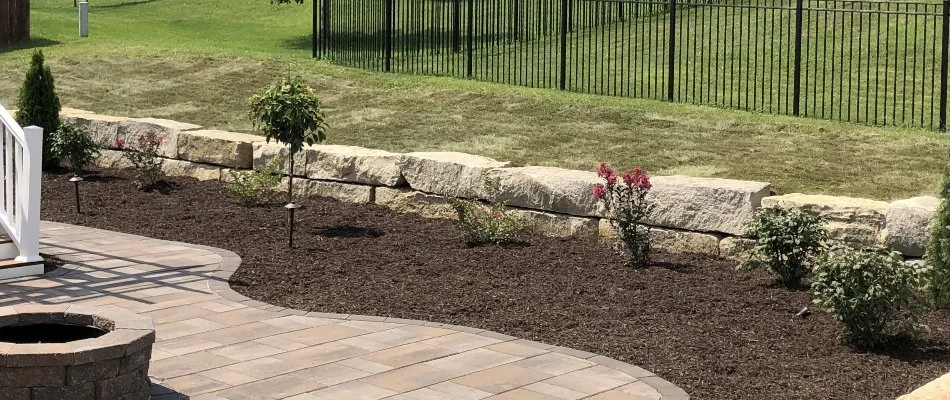
Choosing between a retaining wall and a seating wall depends largely on your property's specific needs and your personal preferences. If you have a sloped yard prone to erosion or drainage issues, a retaining wall might be a necessity. It will help create level spaces and prevent soil movement, making your outdoor areas more stable and functional. Retaining walls can also add visual interest and define distinct zones within your landscape.
On the other hand, if your focus is on enhancing outdoor living spaces for entertainment and relaxation, a seating wall might be the ideal choice. Seating walls are perfect for creating an inviting atmosphere and can easily be integrated into patios, garden pathways, or communal gathering spots. They offer a permanent seating solution that blends beauty and practicality.
Call us today to sign up for our retaining wall and seating wall installation services!
Retaining and seating walls are functional additions to your property. If you're looking to add either or both to your outdoor space, we can help. Our team at Creekside Landscapes offers a retaining wall and seating wall installation service to homeowners and business owners, along with HOAs, in Edwardsville, Glen Carbon, Bethalto, IL, and surrounding areas. Call us today at (618) 374-0010 to sign up!
Comments (0)
Thanks for your comment!
Thanks for your feedback! Your comments have been successfully submitted! Please note, all comments require admin approval prior to display.
Error submitting comment!
There is a problem with your comment, please see below and try again.